
Einkaleyfi sem vernda helstu framleiðsluafurðir geta tryggt fyrirtækjum sterka samkeppnisstöðu. Starfsmenn okkar hafa víðtæka menntun og þekkingu, bæði á sviði tækni og vísinda, sem og lögfræði, sem gerir okkur kleift að bjóða alhliða þjónustu og ráðgjöf um vernd hugverka á öllum helstu tæknisviðum.
Frá hugmynd
til hagnýtingar

Frá hugmynd
til hagnýtingar
Fátt er mikilvægara til að koma á framfæri vöru og þjónustu en sterkt vörumerki til aðgreiningar frá samkeppnisaðilum. Ráðgjafar okkar veita ítarlega og sérsniðna ráðgjöf fyrir einstaklinga og fyrirtæki um sköpun, notkun og skráningu vörumerkja, á Íslandi eða erlendis.

NAFN ER
AUÐKENNI

NAFN ER
AUÐKENNI
Hönnunarskráning verndar sjónrænt útlit vöru, án tillits til tæknilegrar virkni. Hönnunarvernd getur því veitt mikilvæga vernd fyrir útlit vöru í þeim tilvikum þar sem sérkennandi útlit aðgreinir vöruna frá samkeppnisaðilum. Hönnunarvernd getur verið viðbót við aðra vernd eða leið til að vernda vöru sem ekki er unnt að vernda með einkaleyfi.
Við veitum alla alhliða ráðgjöf um hönnunarvernd.

TRYGGIÐ
SÉRSTÆÐA
HÖNNUN

TRYGGIÐ
SÉRSTÆÐA
HÖNNUN
Lén eru æ mikilvægari eign fyrirtækja og skipta miklu máli í markaðssetningu og viðskiptum samhliða sívaxandi netnotkun. Eftir því sem íslensk fyrirtæki verða sýnilegri erlendis þá eykst þörf fyrir að þau myndi sér stefnu í lénaskráningum og hvernig bregðast skal við netsvindli.
Við getum séð um utanumhald og skráningu léna fyrir þig og þitt fyrirtæki.

Vöktum
verðmæti

Vöktum
verðmæti
Ágreining sem skapast um einkaleyfi, vörumerki eða hönnunarskráningu þarf að leysa með samningum eða málarekstri. Okkar lögfræðingateymi hefur áralanga reynslu af slíku, bæði innanlands og utan.
Við veitum einnig ráðgjöf og þjónustu við samningagerð, beitingu höfundarréttar og úttektir.

Við aðstoðum sprotafyrirtæki við að taka nokkur af fyrstu skrefunum í þróunarferli þeirra. Þjónustan sem við bjóðum upp á er sérsniðin að þörfum hvers viðskiptavinar, en meðal þess sem við bjóðum upp á er leit að félagaheitum, stofnun félaga, leit að vörumerkjum og ráðgjöf og þarfagreining í tengslum við hugverkavernd.

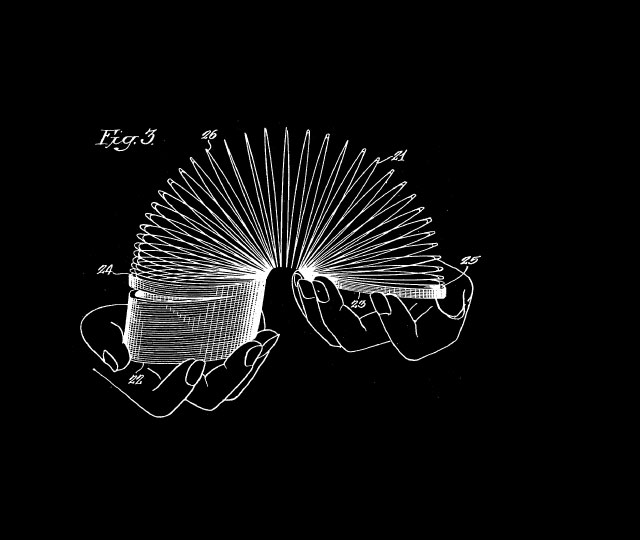
Bandarískt einkaleyfi
Richard T. James
21. ágúst 1946
Arnason Faktor ehf.
Intellectual Property Consulting
Contact:
Arnason Faktor ehf.
Gudridarstigur 2-4
113 Reykjavik
Iceland
Tel: +354 5400 200
E-Mail: mail@arnasonfaktor.is
www.arnasonfaktor.is
Legal form, register, VAT:
Arnason Faktor is a limited liability company (ehf.), registered under number 480199-2789 in Reykjavik Iceland.
Value added tax identification number
(VAT Act No. 50/1988, 24 May)
VAT Reg. No. 61177
Where links to external websites are included, no responsibility is accepted for their content.
Partners:
Gunnar Orn Hardarson
Einar Karl Fridriksson
Asdis Magnusdottir
Sigurdur Ingvarsson
Professional designation and responsible chambers:
The European Patent Attorneys of the firm are registered with the European Patent Office and members of the Institute of Professional Representatives before the European Patent Office: epi, Tal 29, 80331 Munich, Germany, tel +49 89 242052-0, (www.patentepi.com).
Professional legal regulations:
Association of Icelandic Patent and Trademark Attorneys, European Patent Institute.
By laws and Code of Conduct of the Association of Icelandic Patent and Trademark Attorneys (www.fuve.is)
European Patent Institute Code of Professional Conduct of the epi. (www.patentepi.com)
The Regulation on Discipline for Professional Representatives issued by the Administrative Council of the European Patent Organisation. (www.patentepi.com)
FICPI statues and conduct rules. (www.ficpi.org)
Professional liability insurance:
VIS - Vatryggingafelag Islands
Armula 3
109 Reykjavik
Iceland